







Search Results for: secondary dispersion mesh

A Complete Guide to Coffee Brewing Accessories: Functions and Operation of Practical Tools Such as Secondary Dispersion Screens, Paragon Ice Balls, and Lily Beads
On the journey to pursue a good cup of coffee, besides high-quality beans and skilled technique, some seemingly inconspicuous auxiliary gadgets often play a finishing touch. Front Street Coffee has previously introduced sharp tools such as latte art needles and WDT needles. Today, continuing with the theme of coffee auxiliary tools, we will review the uses and methods of the secondary dispersion screen, Paragon ice ball, Lily Drip, dosing funnel, extraction observation mirror, and a silencing air blower. These tools help coffee enthusiasts and professionals complete brewing more calmly from the perspectives of even extraction, locking in aroma, improving puck distribution, enhancing operating cleanliness, making it easier to observe extraction status, and reducing noise. Whether you are a beginner just starting out or an advanced player pursuing details, you can find a practical solution that suits you. [more…]
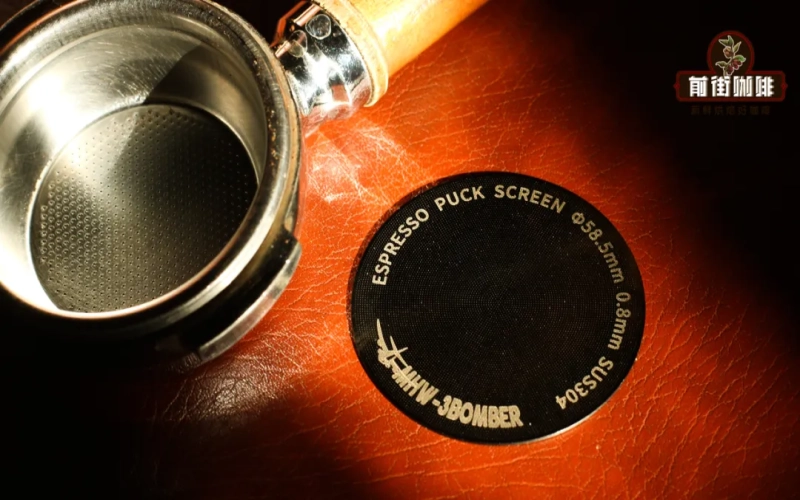
Analyzing the Practical Effects of a Secondary Dispersion Screen in Coffee Extraction: Can It Improve a Soggy Puck, and Is the Bomber Version Worth Buying?
Recently, a compact metal accessory has been generating quite a bit of discussion in the coffee community. Many enthusiasts see it as a handy tool for simplifying the extraction process—the secondary dispersion screen. What changes can this metal disc actually bring? Can it truly solve the common problem of wet, crumbly pucks after espresso extraction? In this issue, Front Street will analyze the core functions of the secondary dispersion screen, and combine that with hands-on experience using related products from the Bomber brand to provide an objective reference for coffee lovers who are still on the fence. [more…]

The Diverse Uses of Filter Paper in Coffee Brewing: An Analysis of Filtration Needs for Cold Brew, Ice Drip, Espresso, and Moka Pot
Can filter paper only be used for pour-over? In fact, in cold brew, ice drip, espresso, and even moka pot brewing, filter paper also plays an important role, just with different functions emphasized. This article compiles the practical experience of Front Street Coffee and explains one by one the specific uses of filter paper in different extraction methods: why cold brew needs secondary filtration, what roles the upper and lower filter papers in an ice drip brewer each play, what changes adding filter paper above the puck or at the bottom of the portafilter basket brings to espresso, whether a moka pot should use filter paper, and the correct approach to using filter paper to filter coffee grounds. Whether you are just starting out or want to refine your technique, you can find practical reference solutions here. [more…]
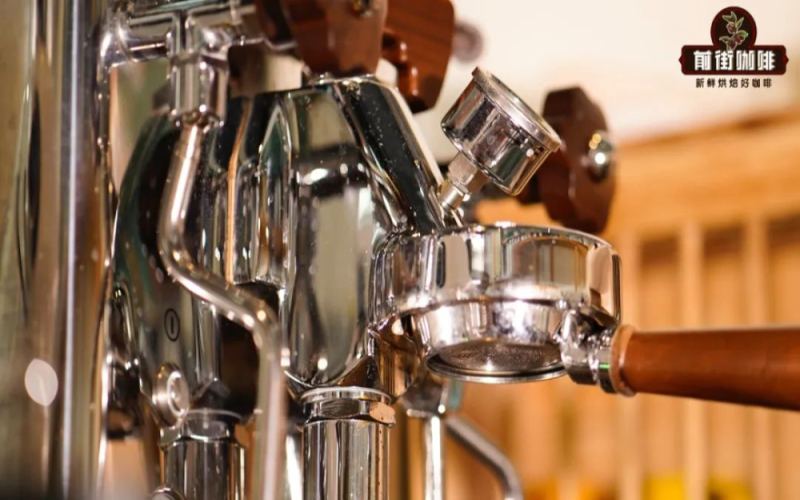
Daily Maintenance Guide for Espresso Machines: How to Properly Clean the Brew Head Shower Screen and Steam Wand
If a coffee machine lacks maintenance for a long time, extraction quality will gradually decline and may even cause malfunctions. This article takes the small espresso machine used in Front Street stores as an example to systematically explain the complete process of daily cleaning and deep maintenance for home coffee machines. The content covers key steps such as simple rinsing of the brew head dispersion screen and blind basket backflushing, wiping the steam wand surface and soaking the tip for descaling, and deodorizing the portafilter spout area. The article explains in detail the amount of special cleaning powder to use, control of backflush time and number of cycles, and precautions to avoid damaging the pressure relief valve. No matter what model is used, this method is basically universal, helping coffee enthusiasts maintain their machines at low cost and reduce the risk of needing repairs. [more…]
Jamaica Blue Mountain Coffee Grading: An Evaluation System Based Primarily on Bean Size with Defect Rate as a Secondary Factor
The production of Blue Mountain coffee has always been limited, yet its grading standards are remarkably rigorous. Even if the beans are genuinely grown in Jamaica's legally designated Blue Mountain region, their grade must still be determined by two criteria: bean size and the proportion of defective beans. Front Street Coffee's Jamaican Blue Mountain grading system is built around precisely this logic: for any coffee bearing the Blue Mountain name, the proportion of defective beans must not exceed 2%, and only on that premise are screen sizes used to distinguish higher grades from lower ones. Understanding these grading rules helps coffee lovers look beyond grade labels when making purchases and focus instead on deeper quality clues such as vintage and specific estates. [more…]
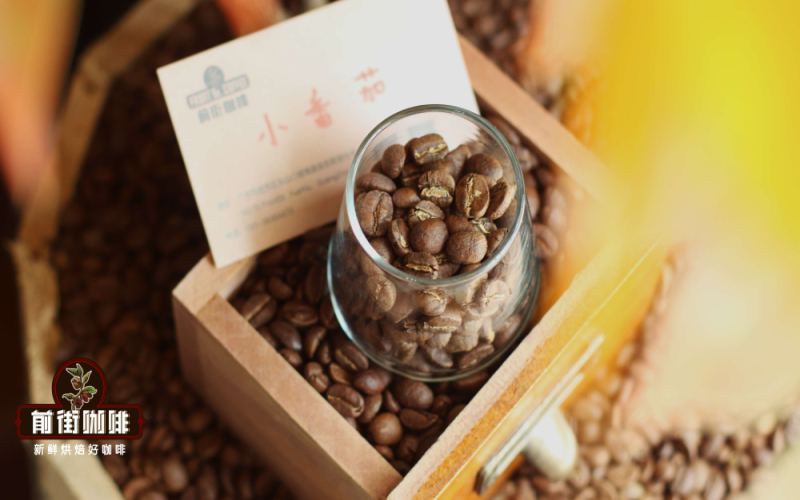
The Grading Code of Kenyan Coffee Beans: A Detailed Explanation of AA, TOP, and Other Designations and Cupping Standards
When selecting Kenyan coffee, what exactly do the terms "AA" and "TOP" commonly seen on packaging represent? This article systematically sorts out Kenya's coffee grading system, from the bean size grading under the 1934 auction system (AA, AB, PB, C, E, TT, T, MH/ML) to the secondary quality ratings established by the Kenya Coffee Research Institute (TOP, Plus, FAQ), and analyzes the comprehensive scoring mechanism across the three dimensions of green beans, roasted beans, and cupping. It also presents the producing region information and brewing parameters of Front Street Kenya Little Tomato coffee beans, helping you understand the practical meaning behind the grading labels. [more…]
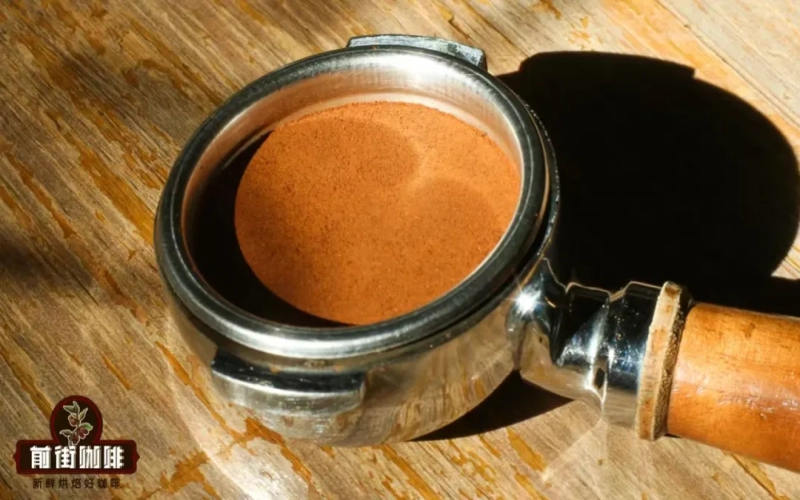
Espresso Extraction Quality and Portafilter Basket Performance Validation: How Diameter and Capacity Affect Coffee Flavor
In the pursuit of an ideal espresso, the portafilter basket—a seemingly inconspicuous accessory—often becomes one of the key factors determining the success or failure of extraction. Many coffee enthusiasts, when troubleshooting extraction problems, have heard the saying, "If your espresso extracts poorly, chances are you didn't choose the right basket." So what differences actually exist between baskets? And through what mechanisms do they influence the extraction result? This article, from the perspective of Front Street, will focus on the two core dimensions of basket diameter and capacity to systematically analyze how the basket affects espresso extraction quality, helping readers make more informed judgments when purchasing and using coffee machine accessories. [more…]
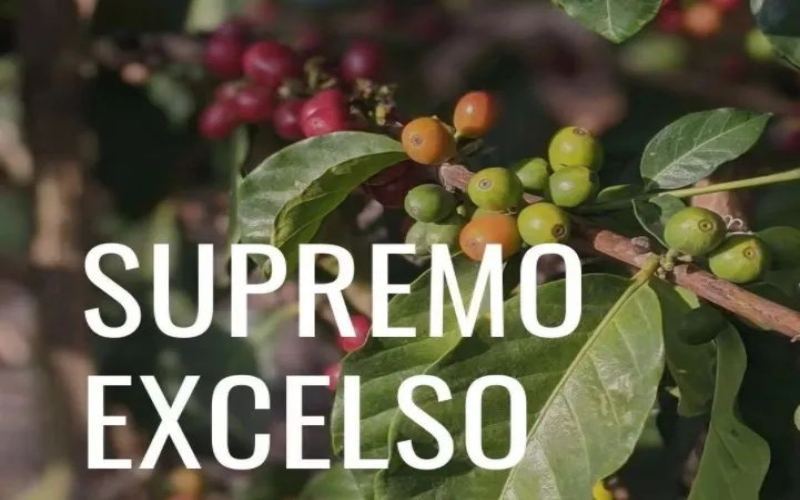
How Are Colombian Green Coffee Beans Graded? A Detailed Explanation of Supremo and Excelso Screen Size Standards and Defect Tolerances
Colombia is a major producer of global Arabica coffee, and its green bean exports follow a grading system centered on defect rates and bean size. What exactly do the Supremo and Excelso labels commonly seen on the market represent? Starting from FNC's export standards, this article sorts out Excelso's mandatory requirements, the logic behind screen-size grading, and the specific tolerance rates for the three commonly used grades UGQ, EP, and Supremo, while also explaining the defect scoring rules behind the number string "12*60," helping coffee enthusiasts decipher the grading code in the names of Colombian green coffee beans. [more…]
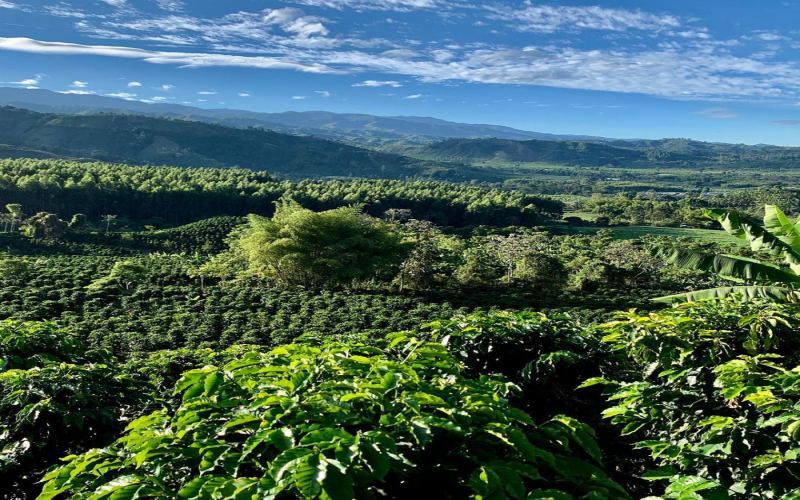
How Are Colombian Green Coffee Beans Graded? Looking at Huila Washed Caturra Through Defect Rate and Screen Size
Colombia's coffee grading system is more complex than that of most Central American producing countries. It is based not only on altitude, but also on a set of export standards built around defect rates and screen size. The Excelso grade adopted by the FNC is the highest export grade for Colombian green coffee. The burlap sacks are marked with "Excelso-Café de Colombia" and accompanied by a quality certificate. This article covers everything from the grading logic, screen size requirements, and defect deduction rules to the three most common export grades, and uses a washed Caturra from the Huila region as an example to explain green coffee traceability and cupping flavor performance, helping coffee enthusiasts understand the meaning behind Colombian green coffee labels. [more…]
Analyzing Portafilter Basket Differences: How Do 51mm and 58mm Diameters Affect Espresso Extraction? What's the Right Dose?
In the process of espresso extraction, the portafilter basket is often an overlooked yet extremely critical component. Many coffee enthusiasts, when troubleshooting extraction issues, frequently hear the saying "if your espresso extracts poorly, chances are you didn't choose the right basket" — and indeed, the basket directly intervenes in the final performance of espresso. So what differences actually exist between one basket and another? And through what means do they influence extraction? In this article, Front Street Coffee will explore two core dimensions — basket diameter and basket capacity — explaining the accessory compatibility issues brought about by different diameters, as well as how the surface area and thickness of the coffee puck affect water contact and resistance levels. We will also discuss the logic behind a basket's dose limit, helping everyone make more suitable judgments when purchasing and using a coffee machine. [more…]
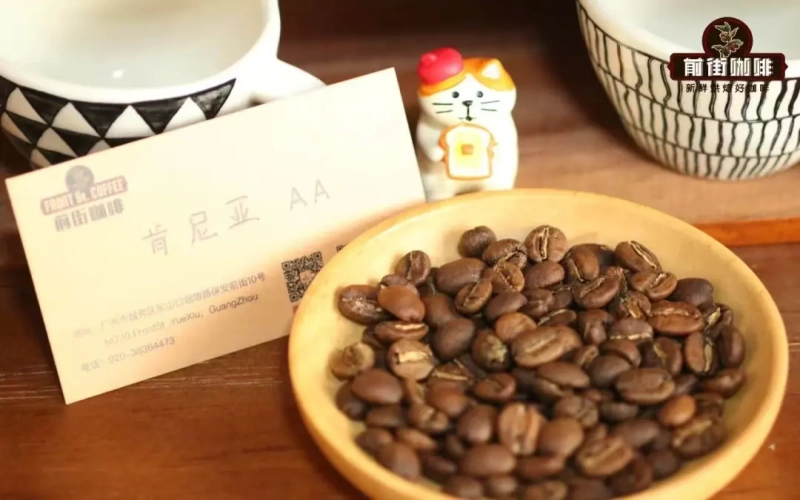
An Analysis of Kenya Coffee's Grading System and Flavor Characteristics: From AA to Peaberry, Getting to Know One of the World's Top Producing Regions
Kenyan coffee occupies a pivotal position in the global specialty coffee landscape, and its bright, uplifting acidity and rich layers of complexity have fascinated countless coffee lovers. Yet when confronted with the letter combinations such as AA, AB, and PB on Kenyan coffee bean labels, many people are not clear about what they actually mean. In fact, these designations originate from Kenya's official coffee grading system, which takes into account multiple factors such as bean size, shape, and hardness. This article will systematically sort out Kenya's complete coffee grading system, explain the specific standards for each grade, and clarify the difference between the secondary grading set by green bean traders themselves and the official grades. At the same time, Front Street Coffee will also draw on its own sourcing experience to share the roasting and brewing approach for an AA-grade Kenyan bean from the Asaliya processing station. [more…]
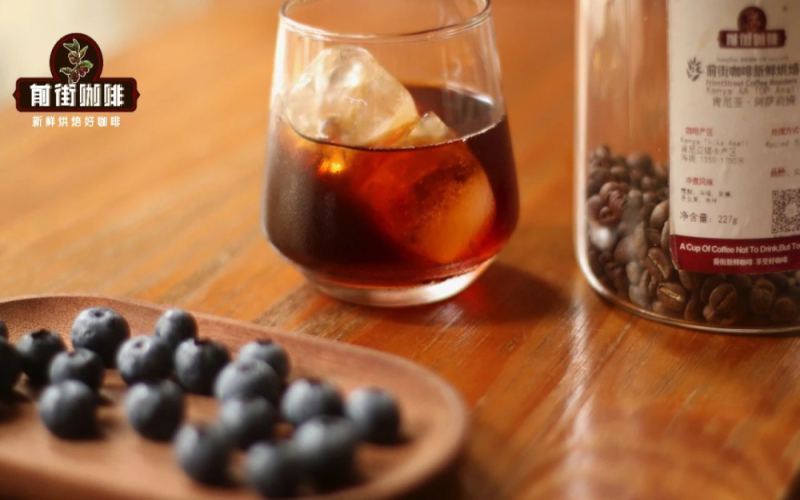
Analyzing the Grading Differences Between Kenya AA and AA TOP: A Detailed Look at the Asalia K72 Washed Beans from the Thika Region
Kenyan coffee is famous for its bright, juicy acidity, and labels such as AA, AB, and AA TOP are common in China. How exactly are these grades divided? Is there a substantial difference between AA and AA TOP? This article will start with Kenya's official grading system, analyze the criteria for grades such as AA, AB, PB, and E, and explain the meanings of secondary grading terms such as TOP, Plus, and FAQ set by exporters themselves. It will also introduce the K72 washed coffee beans from the Asali Processing Plant in the Thika region, which use SL28 and SL34 varieties, are AA grade, and are light-roasted by Front Street Coffee to present flavors of cherry tomato and smoked plum. [more…]
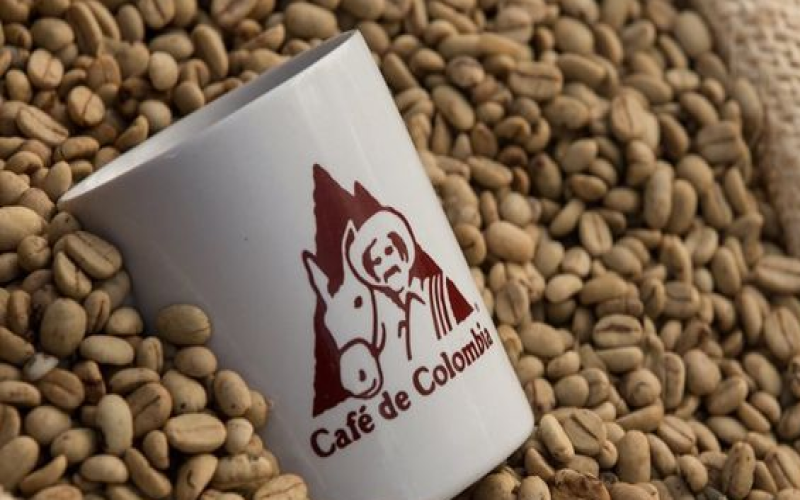
Complete Guide to Colombian Supremo Coffee Beans: From Regional Grading to Huila Washed Brewing
Colombian coffee, with the diverse terroirs of the Andes and refined washed processing, has become a force that cannot be overlooked on the global specialty coffee map. From the classic image of Juan Valdez to the rising specialty regions of Huila in the south, from raw bean screen-size grading to the Excelso export standard, this article systematically sorts out the origin characteristics, processing methods, and grading system of Colombian coffee. At the same time, Front Street Coffee uses a Huila washed everyday drinking bean as an example to share brewing parameters and flavor performance under medium-dark roasting, taking you through a comprehensive understanding of the core charm of this South American coffee powerhouse. [more…]
Kenyan Coffee Beans: Analyzing SL28 and SL34 Varieties and Flavor Differences Across AA, AB, and PB Grades
As a major coffee-producing country in East Africa, Kenya is renowned worldwide for its bright fruity acidity and rich aroma. From the perspective of Front Street Coffee, this article systematically reviews the terroir, historical context, and variety origins of Kenyan coffee, with a focus on analyzing the background and flavor characteristics of the two classic varieties SL28 and SL34. It also breaks down in detail the origins and differences of the grading systems such as AA, AB, and PB, introduces the K72 washed processing method and the characteristics of the seven major producing regions, and finally provides Front Street's brewing suggestions and flavor descriptions for Kenyan coffee, offering coffee enthusiasts a complete knowledge map of Kenyan coffee. [more…]
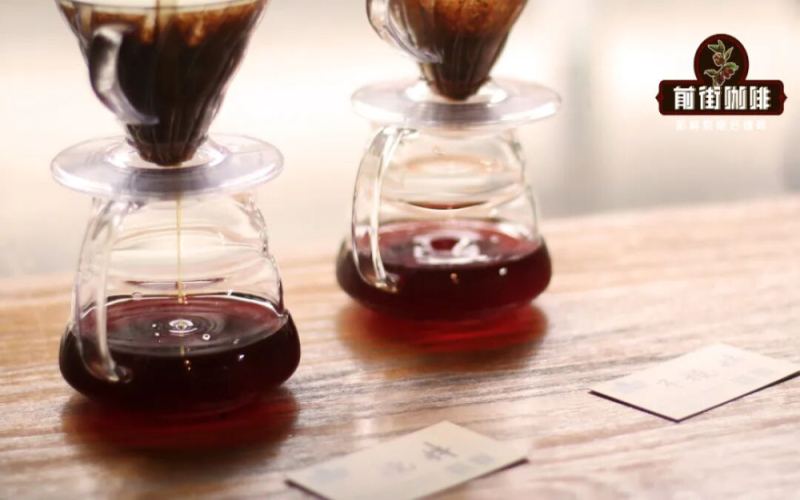
Where Do Cold Brew Coffee Oil and Fine Particle Residue Come From? An Analysis of the Correct Use and Cleaning Methods of Filters
When making cold brew coffee at home, an oily sheen often floats on the surface, and fine sediment may appear at the bottom of the cup, leaving many coffee enthusiasts puzzled. What exactly are these floating substances? Is the coffee spoiled, or is the equipment unclean? In fact, this is closely related to the slow release of water-soluble fats from coffee beans at low temperatures. This article, drawing on Front Street Coffee's practical experience, analyzes the causes of cold brew oils, explains how the differences in mesh sizes of various filtering devices affect coffee flavor, and shares how to use secondary filtration with paper filters and refrigeration settling to make cold brew's juicy feel fuller and its acidity clearer. At the same time, regular deep cleaning of equipment is equally crucial to avoid the accumulation of condensed oil residue that produces a rancid odor. [more…]
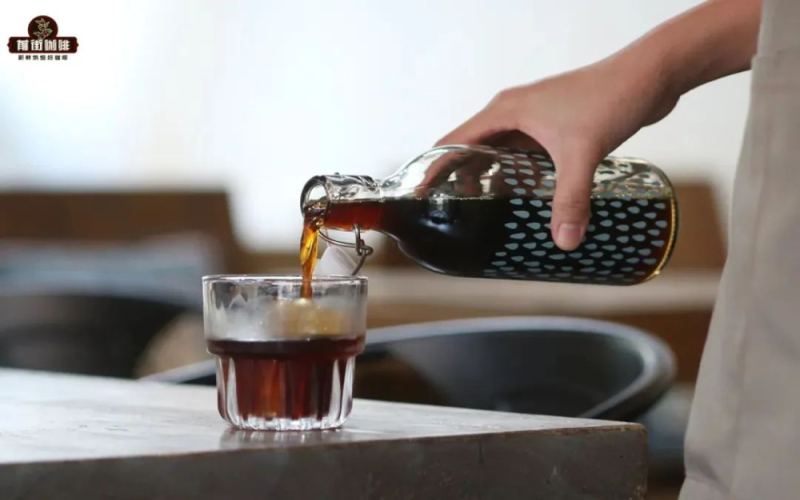
What Causes the Oil Film on Cold Brew Coffee? A Detailed Explanation of Low-Temperature Extraction Principles and Filtration Techniques
Cold brew coffee, with its advantages of simple operation and low cost, has become the preferred way for many coffee enthusiasts to make iced drinks at home. However, many people find in practice that a layer of oil slick unexpectedly floats on the surface of a finished pot of cold brew, and they can't help worrying that the coffee has gone bad or the container was not cleaned properly. Where exactly does this layer of oil come from? In fact, its cause is completely different from that of the Crema on the surface of espresso. This article will focus on the low-temperature extraction principle of cold brew, explain the phenomenon of oil condensation, and share the complete operational details from filter selection to secondary filtration, helping you make a cup of cold brew coffee with a clear mouthfeel and full flavor. [more…]

Yunnan Small-Bean Coffee: Origin Environment and Flavor Analysis — From Botanical Characteristics to Quality Grading
Yunnan, as China's most important coffee-producing region, nurtures outstanding quality Arabica coffee thanks to its subtropical mountain climate south of the Tropic of Cancer and its fertile plateau red soil. This article systematically reviews the introduction history, main cultivated varieties, producing region distribution, and flavor characteristics of Yunnan coffee, and provides a detailed introduction to the botanical features—roots, stems, leaves, flowers, and fruit—of Arabica coffee as well as its grading standards. Whether you are a coffee enthusiast just starting out or a seasoned player hoping to gain a deeper understanding of the past and present of Yunnan beans, you can gain from it a complete understanding of the relationship between this land and coffee, while also seeing Front Street Coffee's continued attention to and recommendations for Yunnan coffee. [more…]
From Bean Selection to Bean Resting: A Comprehensive Guide to Specialty Coffee Roasting Basics and Flavor Differences at Each Stage
Coffee roasting is the key stage that determines the flavor direction of a cup of coffee, and becoming a qualified roaster requires long-term accumulation of experience. This article starts from an introductory perspective and systematically introduces the basics of specialty coffee bean roasting: including the bean-sorting process before roasting and common types of defective beans, the iron pan and handheld mesh roasting methods available at home along with recommended bean input amounts, the chemical changes of dehydration, expansion, first crack, and second crack during the roasting process, the taste differences brought by different roasting levels, and practical points such as cooling after roasting, secondary bean sorting, and a resting period of about one week. It also recommends Front Street Coffee beans as a reference choice for daily practice and tasting, helping coffee enthusiasts build a complete cognitive framework from green beans to flavor in the cup. [more…]
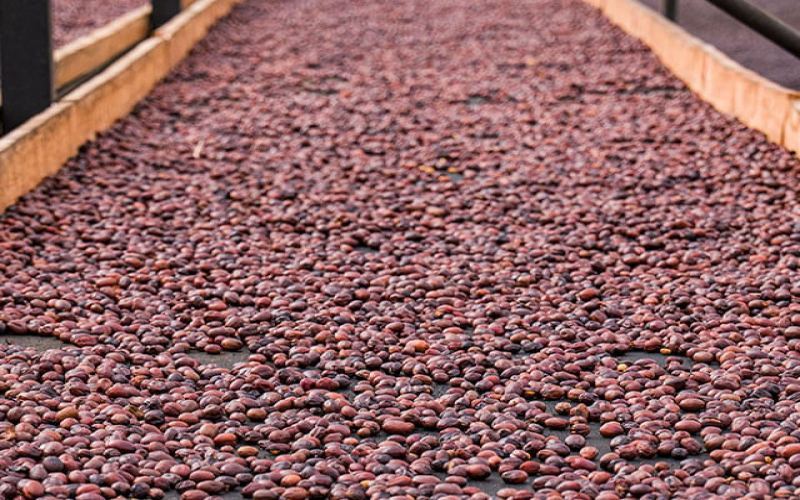
Analysis of Famous Colombian Estate Coffee Beans: Does the Supremo Grade Represent Specialty Coffee Quality?
Colombia is a globally renowned coffee-producing country, and Supremo in its grading system is often mistakenly regarded as synonymous with specialty coffee. From the perspective of Front Street Coffee, this article systematically reviews the cultivation history, producing regions, grading standards, and processing methods of Colombian coffee, provides an in-depth analysis of the true relationship between Supremo and Excelso, and introduces one by one the terroir characteristics of well-known micro-regions such as Cauca, Huila, and Nariño. Whether you are a beginner just getting into single-origin coffee or a seasoned drinker looking for everyday beans, you can gain clear regional understanding and purchasing references from it. [more…]
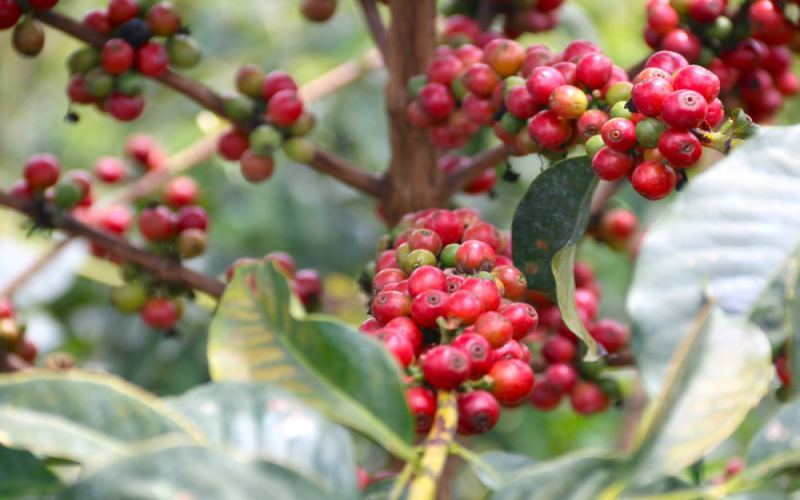
Kenya AA Coffee Beans Variety Guide: A Complete Guide from Grading System to Core Producing Regions
Kenyan coffee is renowned worldwide for its bright acidity and intense fruity aromas, and AA grade is the most sought-after representative among them. But what exactly does AA mean? How does it differ from other grades? This article, from the perspective of Front Street Coffee, systematically reviews the varietal origins, breeding mechanisms, grading standards, the K72 washing process, and the terroir characteristics of core producing regions such as Nyeri, Kirinyaga, and Murang'a, helping you fully understand the value system of Kenyan specialty coffee. [more…]